
If you want to learn Palestinian Arabic, starting with everyday expressions is one of the easiest and most effective ways to begin. Many people who begin Arabic language learning think they must first master complex grammar or formal Arabic used in books and news broadcasts. However, real conversations in Palestine happen in the local dialect using everyday Arabic phrases.
Learning a few Palestinian Arabic phrases can instantly make conversations smoother and more enjoyable. Whether you are traveling, connecting with friends, or exploring Middle Eastern culture, these expressions will help you feel more confident when you learn Arabic.
Below are five simple phrases that every beginner should know when starting their journey to learn Palestinian Arabic.
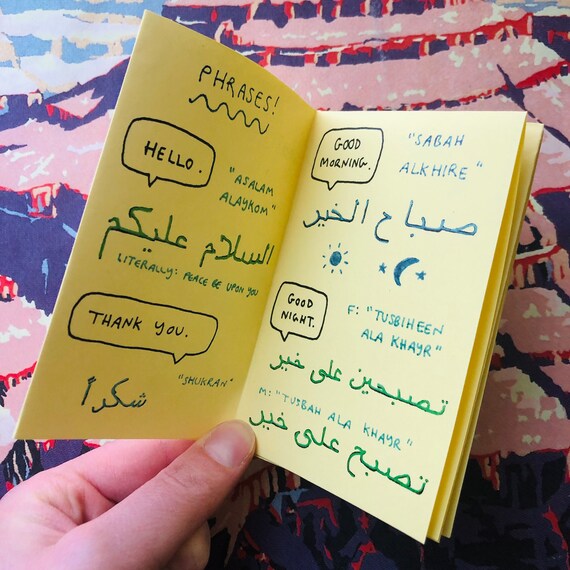
1. Marhaba (مرحبا) – Hello
One of the most common greetings in Palestinian Arabic is Marhaba, which simply means hello. It is friendly, polite, and widely used in everyday conversations.
When you greet someone with “Marhaba,” you immediately show respect and openness. This small effort can make a big difference when connecting with native speakers.
2. Keef halak / Keef halek? (كيف حالك؟) – How are you?
After saying hello, people in Palestine usually ask “Keef halak?” when speaking to a man or “Keef halek?” when speaking to a woman. This phrase means How are you?
Understanding expressions like this is an important step in Arabic language learning because it helps you participate in natural conversations rather than memorizing isolated vocabulary.
3. Shukran (شكراً) – Thank You
Gratitude is a big part of Palestinian culture. Saying Shukran, which means thank you, shows politeness and appreciation.
If you want to learn Arabic and communicate respectfully, this word will quickly become one of your most useful phrases.
4. Afwan (عفواً) – You’re Welcome / Excuse Me
Afwan is a versatile expression in Palestinian Arabic. It can mean:
-
You’re welcome when someone thanks you
-
Excuse me when you want to politely get someone’s attention
Learning multi-purpose words like this is a great strategy when you learn Palestinian Arabic, because they appear often in everyday speech.
5. Yalla (يلا) – Let’s Go / Come On
One of the most energetic and commonly used expressions in the region is Yalla. It means let’s go, come on, or let’s do it.
You’ll hear Yalla everywhere—from friends meeting in cafés to families encouraging each other to get moving. It reflects the lively spirit of Palestinian Arabic and is a fun word to start using immediately.
Why These Phrases Matter in Arabic Language Learning
When you practice simple phrases like these, you’re doing more than memorizing words—
you’re learning how real conversations work. Even small expressions can help you:
-
Connect with people in daily life
-
Show respect for Palestinian culture
-
Build confidence when speaking Arabic
For many students around the world, starting with spoken expressions makes Arabic language learning feel much more natural and enjoyable.
Start Your Journey to Learn Palestinian Arabic
If you truly want to learn everyday Arabic phrases, the best way is to practice with a native speaker who can guide you through real conversations, pronunciation, and cultural context.
With the right guidance, you won’t just learn Arabic from a textbook—you’ll experience the language as it’s actually spoken in homes, markets, and cafés across Palestine.
Start practicing these phrases today, and you’ll quickly discover that learning Palestinian Arabic opens the door not only to communication but also to culture, friendship, and deeper understanding.
1 thought on “Top 5 Everyday Arabic Phrases That Will Help You Speak Like a Local”
Pingback: Culture Through Language: Why Learning Palestinian Arabic Opens the Door to Real Culture – Palestinian Arabic